


Muslims give charity to help others and obey Allah. But many people ask the exact same question every year. When is zakat due? Figuring out your exact date can feel hard. You must track the Islamic calendar. You also need to watch your personal savings. We want to make this process easy for you. You will learn the exact rules right here in this guide. We will show you how to find your specific due date. You will also learn about minimum wealth limits. Giving Hands wants to help you pay your charity the right way. Keep reading to clear all your confusion today. By the end, you will know exactly when and how to pay.
What Is Zakat in Simple Words?
Zakat is the third pillar of Islam. Every adult Muslim with enough money must pay it. You give a small part of your wealth to the poor. The word itself means to clean and grow. When you give away a small part, you clean the rest of your money. Allah then blesses the money you keep.
We do not pay this charity just anytime. Voluntary charity is different. You can give voluntary charity every day if you want. But mandatory charity follows strict rules. Islam tells us exactly who must pay. Islam tells us exactly how much to pay. Islam also tells us when to pay it. You must follow these rules carefully. Your payment helps fix poverty around the world. It provides clean water access and food security to people in desperate need.
Understanding the Nisab Limit
You must understand Nisab before you pick a payment date. Nisab acts as a minimum line of wealth. You only pay charity if your money crosses this specific line. If you have less money than the Nisab, you owe nothing for that year.
Prophet Muhammad (peace be upon him) set this clear limit. He used gold and silver to make the rule.
Today, we still use these two standard limits:
- The Gold Nisab: The value of 87.48 grams of pure gold.
- The Silver Nisab: The value of 612.36 grams of pure silver.
Silver costs much less than gold today. Many scholars tell us to use the silver limit instead of gold. Why do they say this? The lower limit means more people give charity. This puts more money directly into the hands of the poor. It helps Giving Hands fund rural development projects much faster.
The Islamic Lunar Year Explained
Next, you need to understand the Islamic year. We call this a Hawl. The Islamic calendar follows the phases of the moon. A lunar year has about 354 days. This makes it 11 days shorter than the normal solar calendar we use for work.
You do not pay your charity the first day you cross the Nisab line. Instead, you wait one full lunar year. Your money must stay above the Nisab line for that whole time. This waiting rule protects you. It makes sure you have enough money for your own family first. You only give away money you do not urgently need to survive.
So, When Is Zakat Due?
People always want a single day for everyone. But a universal day does not exist. When is zakat due? It is due exactly one lunar year after your wealth first crosses the Nisab line.
Every person has a different due date. Your date depends entirely on your own money. Imagine your savings crossed the Nisab line on the 10th of Rajab. You must pay your charity on the 10th of Rajab the very next year. You must keep your money above the line for that whole 12-month period.
After you pay for the first time, you lock in your date. The 10th of Rajab becomes your permanent charity anniversary. You will calculate and pay on this date every single year.
How to Pick Your Exact Zakat Date
Finding your date does not require a math degree. You can follow these simple steps right now.
First, check your past bank history. Find the exact day your money passed the Nisab limit. Convert that specific day into an Islamic calendar date.
Second, count forward one full lunar year. This marks your official payment date.
Third, set an alarm on your phone. Set a reminder for the Islamic date, not the Western date. The Western date changes every year.
Fourth, check your money on your anniversary. You will pay 2.5% of the total money you have on that exact day.
Can I Pay Early in Ramadan?
Many Muslims love to pay their charity during Ramadan. Allah multiplies good deeds during this holy month. People want the biggest reward possible for their donations.
But your official anniversary might fall in a totally different month. What do you do then? Islam lets you pay your charity early. You can estimate your wealth during Ramadan. Then, you send your money to a trusted charity like Giving Hands.
However, you must check your money again on your real anniversary. If you paid too little in Ramadan, you must pay the rest now. If you paid too much, Allah counts the extra money as beautiful voluntary charity. You earn rewards either way.
What If My Savings Drop During the Year?
Life brings many surprises. You might lose a job or face a big hospital bill. Sometimes, your savings fall below the Nisab line.
If your money drops below the line, your yearly clock stops. You do not owe any charity for that year. Islam does not want to hurt you financially.
You just wait until your savings grow again. The day your money crosses the Nisab line again becomes your new start date. You begin a brand new lunar year on that specific day.
How Do You Fix a Missed Payment?
Sometimes people forget their due dates. Sometimes people simply do not know the rules. If you missed payments in the past, do not worry. You can fix your mistakes today.
But missed payments do not disappear over time. You still owe this money to the poor. It remains a firm debt to Allah.
If you realize you missed a year, you must act fast. You must estimate how much money you had that year. You calculate 2.5% of that old amount. Then, you pay it right away. Paying this old debt cleans your wealth quickly. It also brings you great peace of mind.
What Kinds of Wealth Need a Payment?
You do not just count the cash in your pocket. You must count any money that can grow. You look at all your personal wealth on your due date.
You must pay charity on several different things. You count cash at home and cash in the bank. You count gold, silver, and expensive jewelry. You count business stock and items you plan to sell. You count shares, stocks, and investments. You count money you get from rental homes.
You do not pay charity on things you use every day. You skip the house you live in. You skip the car you drive. You skip your normal clothes and your living room furniture.
How to Count Cash and Bank Savings
Cash makes up the biggest part of most calculations. You must count every dollar you own on your anniversary date.
Look closely at your checking accounts. Look at your savings accounts. Check your mobile payment apps. Count the paper money hidden in your house. Look at any foreign money you own.
You must also count money you let other people borrow. If you know your friend will pay you back soon, you count that money. If you think your friend will never pay you back, you do not count it yet.
How to Handle Gold, Silver, and Stocks
Gold and silver carry their own special value. You must find their current market price on your due date. Do not use the price you paid five years ago. You weigh your gold and check the price online today.
Business owners must count their shop items carefully. You use the retail price of the items, not the wholesale price.
If you own retirement funds or crypto, you treat them like cash. You check the current value of your crypto coins on your anniversary. You pay 2.5% of that total value right then.
Can I Subtract My Debts First?
Islam is a very fair religion. Allah does not want to crush you with heavy payments. You can subtract some debts before you calculate your charity.
You can subtract short-term debts. If you must pay a credit card bill next month, subtract it. If you owe a friend a small amount right now, subtract it. If you have an urgent utility bill, subtract it from your total.
But you cannot subtract big, long-term debts. You cannot subtract your whole 30-year house loan. You can only subtract the single payment due this exact month. This rule keeps the system fair and balanced for everyone.
Common Mistakes People Make With Payments
Many people make simple math mistakes. These mistakes cause problems. Some people pay too late. Some people use the Western calendar instead of the Islamic calendar. Using the Western calendar means you pay 11 days late every year.
Other people forget to count their business stock. They only count their bank accounts. You must count everything that grows in value.
Some people try to pay charity to their own rich family members. You cannot do this. You can only pay people who truly need the money. Avoid these common mistakes to keep your wealth pure.

How Giving Hands Distributes Your Charity?
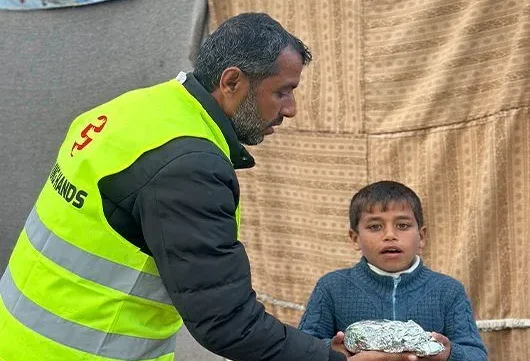
You need a safe place to send your money. Giving Hands works hard to deliver your charity fast. We take your money and put it to work immediately.
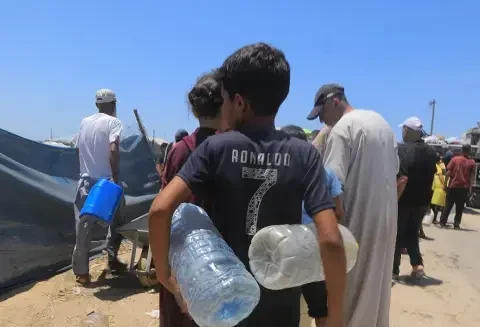
We find the most vulnerable people on earth. We focus on urgent needs first. We use your money to dig wells for clean water access. We buy food to create food security for hungry families. We build schools and clinics for rural development.
We follow all Islamic rules for distribution. We never waste your money. We make sure every dollar helps a person in real need.
Why Paying on Time Changes Lives
Getting your math right helps the whole world. If you guess wrong, you might keep money that belongs to the poor. We must protect the rights of poor families everywhere.
When you pay on time, charities can plan better. Giving Hands uses your money to change lives today. Your prompt payment provides clean water access to dry villages. Your accurate math funds food security for hungry children. Your charity builds rural development programs that lift whole towns out of poverty.
Your money acts as a vital lifeline. A delayed payment means delayed help. Pay on time and save lives.
Final Thoughts on Your Zakat Journey
Your yearly payment does more than clean your bank account. It saves lives around the world. Knowing exactly when is zakat due helps you obey Allah and help humanity.
You track your Nisab. You follow the lunar calendar. You find your exact anniversary. You calculate your wealth honestly.
When you finish your math, you need a safe place to send your funds. Giving Hands works hard to deliver your charity fast. We help the most vulnerable people on earth. We fund clean water, food, and development projects. Send your Zakat to Giving Hands today. Let your wealth bring light to the darkest places.