


Zakat al Fitr Donation is a mandatory charity paid by every Muslim before the Eid al Fitr prayer. It’s separate from annual Zakat on wealth. The Prophet Muhammad made it an obligation in the second year of Hijra, around 624 CE. Every Muslim who has food beyond their day’s needs must pay it. It purifies the fast and ensures poor families can celebrate Eid with dignity.
Why Zakat al Fitr Matters Right Now
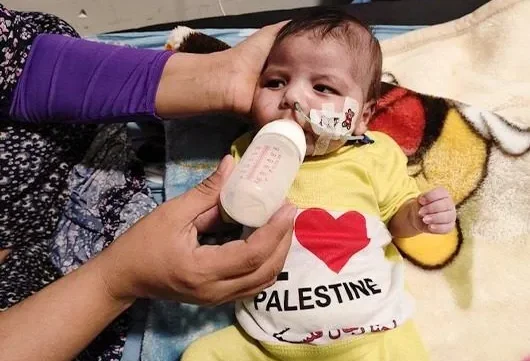
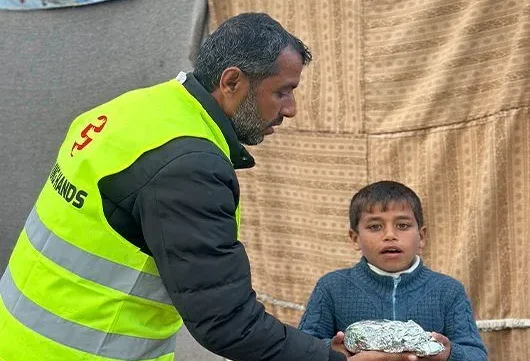
Hunger doesn’t pause for Eid. According to the UN World Food Programme, over 780 million people face food insecurity today. Zakat al Fitr addresses that gap at the exact moment it’s felt most. For families living at the margins, this sadaqah wajibah isn’t symbolic. It’s a meal on the table. It’s the difference between a child joining the celebration or sitting it out. At Giving Hands, our Zakat programs channel this annual obligation directly to households that need it before the prayer begins. The fidya and fitrana paid by Canadian Muslims reach Bangladeshi, Palestinian, and Somali families who depend on this transfer every year. The ummah’s giving isn’t charity as an afterthought. It’s a built-in system of care.
Key Facts About Zakat al Fitr Most People Get Wrong
The standard amount is one sa’ of staple food per person. Scholars widely accept the cash equivalent at around $10 to $15 USD per head in 2025, though local nisab calculations vary. Ibn Abbas (RA) narrated that the Prophet (ﷺ) prescribed Zakat al Fitr as purification for the fasting person and food for the poor (Sahih al Bukhari, Book 24, Hadith 579). It applies to every Muslim in the household, including infants. The head of the household pays on behalf of dependants. Payment becomes valid from the start of Ramadan but must reach recipients before the Eid prayer. Late payment still carries a reward, but it shifts from fard to sadaqah. Most scholars, including Imam al Nawawi, agree that paying in cash is acceptable when food distribution isn’t practical.
When Should You Pay Zakat al Fitr?
Timing is one of the most debated points among Muslim scholars. Most agree that Zakat al Fitr becomes due at sunset on the last day of Ramadan. It must reach the recipient before the Eid prayer begins. Paying one or two days early is acceptable and often recommended. According to the Hanbali and Shafi’i schools, early payment helps ensure the poor can use it for their Eid needs. Ibn Umar (RA) reported that the companions would pay as much as two days before Eid (Sahih al Bukhari, Book 24, Hadith 577). Late payment is still valid, but it becomes a general act of charity rather than the obligatory fitrana.
Can You Pay After Eid Prayer?
Scholars across all four major madhabs agree: paying after the Eid prayer defeats the core purpose. Ibn Abbas (RA) made this clear in the hadith recorded in Abu Dawud. The goal is to reach the poor before they gather for prayer. But if a person genuinely forgot or faced hardship, they should still pay. Imam al Nawawi noted that late payment remains a religious duty, not a dropped one. The obligation doesn’t expire. It just changes in what it counts as.
What About Paying Early in Ramadan?
Paying at the very start of Ramadan is technically valid under the Hanafi school. The Shafi’i and Hanbali schools restrict early payment to the last one or two days of Ramadan. Both positions have strong scholarly backing. The safest approach for most Canadian Muslims is to arrange payment in the final three days. This ensures it qualifies as fitrana, not just voluntary charity.
Who Receives Zakat al Fitr?
Zakat al Fitr goes to the poor and the needy. Most scholars limit recipients to the same eight categories as regular Zakat, based on Surah At-Tawbah (9:60). But the primary recipient class for Fitrana is the fuqara and the masakeen, those without enough food for that day. According to UNICEF, food insecurity affects hundreds of millions of people globally, with the greatest need concentrated in sub-Saharan Africa, South Asia, and conflict-affected regions. Bangladeshi families, Somali communities, and Palestinian households in besieged areas often depend on this annual transfer to mark Eid with a proper meal. It arrives as a right, not a favour.
Common Mistakes Muslims Make With Zakat al Fitr
Many Muslims underpay because they calculate only for themselves and forget their dependants. Every person in the household counts: a spouse, children, elderly parents living with you, and even a newborn born before sunset on the last day of Ramadan. A second common mistake is treating Zakat al Fitr as optional if regular Zakat has already been paid. The two are separate obligations with different rules and different purposes. A third mistake is paying the wrong amount by using outdated local estimates. Scholars recommend checking the current year’s nisab value through a reliable Islamic authority before paying.

How Zakat al Fitr Connects to the Eid Experience for Recipients
For families in low-income regions, Eid without fitrana often means no festive meal. No new clothes. No celebration. Pew Research data shows that Muslims make up a large share of the world’s poorest populations. Zakat al Fitr was designed with this exact gap in mind. The Prophet (ﷺ) wanted no Muslim, anywhere, to go hungry on the day of Eid. That intent still shapes how organizations like Giving Hands structure their fitrana distribution. Change in these communities rarely comes from one big moment. It comes from consistent, quiet support, season after season, year after year.
What Every Muslim Should Know Before Paying Zakat al Fitr
Zakat al fitr is one of the clearest obligations in Islam. It falls on every Muslim before Eid prayer. Pew Research estimates that over 1.8 billion Muslims observe Ramadan globally. That means fitrana represents one of the largest synchronized acts of charity on earth. Paying it correctly matters. Know the nisab for the current year. Know who in your household counts. And know that your Zakat al fitr donation reaches families before Eid morning, not after.
Does Zakat al Fitr Expire If You Miss the Eid Prayer?
Scholars differ on this point. The majority view, held by Imam al-Nawawi and others, is that Zakat al fitr paid after Eid prayer becomes regular sadaqah, not fitrana. It still carries reward. But it no longer fulfills the specific obligation. Pay before the Eid prayer begins. If you miss that window, pay as soon as possible and renew your intention.
Can You Pay Zakat al Fitr on Behalf of Someone Who Has Passed Away?
This question comes up often in Canadian Muslim households. The dominant scholarly position is that fitrana is only due for living dependants. A person who passes away before the end of Ramadan does not require fitrana from their estate. Families dealing with grief during Ramadan can focus on their own household without adding this burden. Confirming this with a local scholar is always a good step.
The families who benefit from Zakat al fitr rarely make the news. They are quiet families, in hard places, waiting to see if Eid will feel like Eid this year. Giving Hands stays close to those families, season after season, not just during Ramadan. The work is ongoing. And the ummah’s consistency is what makes it possible. See how this work continues.