

Daily sadaqah donations are voluntary acts of giving made every single day, separate from obligatory zakat. They don’t need to be large. Even a few cents given with sincere intention counts. The Prophet Muhammad (peace be upon him) praised consistent small deeds above rare large ones. Any Muslim can practice daily sadaqah, regardless of wealth. That’s what makes it one of Islam’s most accessible forms of worship.
Why Daily Sadaqah Donations Matter Right Now
Pew Research estimates there are 1.8 billion Muslims worldwide. Most give generously during Ramadan but pause for the rest of the year. That gap leaves real needs unmet in communities across Palestine, Bangladesh, Somalia, and sub-Saharan Africa. Daily sadaqah fills that gap. It turns individual habit into sustained relief. A single person giving $1 USD a day adds up to $365 USD a year without feeling the pinch. That’s meaningful. You can explore our ongoing sadaqah programs to see how consistent giving supports long-term fieldwork. Scholars like Imam al-Nawawi wrote that regular small deeds are more beloved to Allah than bursts of intense action followed by nothing.
Daily Sadaqah Donations: What Most People Don’t Know
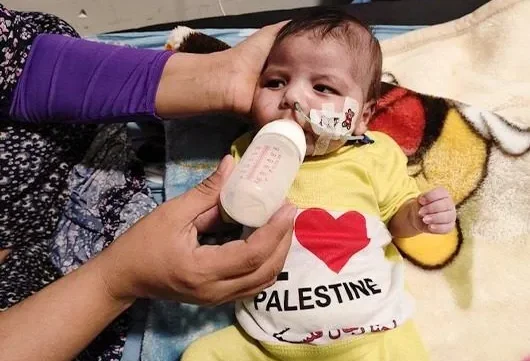
Many Muslims assume sadaqah only means money. It doesn’t. According to Sahih al-Bukhari, the Prophet Muhammad (peace be upon him) said that every good deed is sadaqah, including a smile, removing harm from a path, or sharing knowledge. That expands daily sadaqah far beyond the wallet. But financial sadaqah still carries unique weight. UNICEF data shows that consistent small donations, pooled across a donor base, fund longer, more stable programs than one-time appeals. Bangladeshi families recovering from floods, Palestinian children in displaced areas, and Somali communities facing drought all benefit more from steady support than from seasonal spikes. Small. Consistent. Powerful.
How Does Daily Sadaqah Change Real Lives?
Daily sadaqah donations shift the way aid reaches vulnerable communities. One-time gifts arrive, then disappear. But a steady flow of small contributions funds ongoing programs, not just emergency responses. According to UNICEF, predictable funding allows field teams to plan months ahead, not just react to crises. That gap between reactive and proactive is where lives change. A child stays enrolled in school. A family doesn’t skip meals in a dry season. A widow rebuilds instead of just surviving. Consistent giving is the thread that holds long-term programs together.
Who Feels It Most?
Orphans and displaced families feel the impact of consistent sadaqah most sharply. They don’t face one emergency. They face a long series of smaller, grinding needs. School fees. Food gaps. Medical costs that pile up month after month. According to UN data, children without parental support are among the most at risk of falling into chronic poverty. Steady sadaqah funds the kind of wrap-around support these families need. Not a one-time relief package. Ongoing care that follows them through recovery, not just through crisis.
Why Small Amounts Add Up Fast
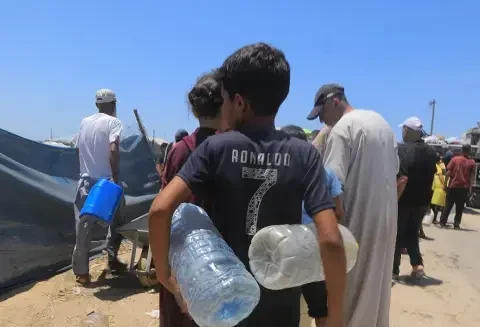
The math is simple and the effects are real. If 100 people each give $1 a day, that’s $36,500 a year. That pool of money supports sustained programming across multiple communities. Bangladeshi families preparing for monsoon season need supplies bought ahead of time. Palestinian families in besieged areas need food lines that don’t run dry mid-month. Neither of these is solved by a single large gift. Both are solved by regular, pooled giving. Real change here is rarely sudden. It comes from small, sustained efforts, season after season.
Common Misconceptions About Daily Sadaqah Donations
Many Muslims think sadaqah must be large to count. This misses the core teaching. The Prophet Muhammad (peace be upon him) said in Sahih al-Bukhari that a date given in charity, if earned through honest work, is accepted by Allah and grown as a mountain is grown from a seedling. Size is not the measure. Consistency and sincerity are. Some also assume they need to find a new cause each day. They don’t. Routing a fixed daily amount through one trusted channel is just as valid. The intention renews with each transfer, even if automated.

How Daily Sadaqah Connects to Long-Term Aid Work
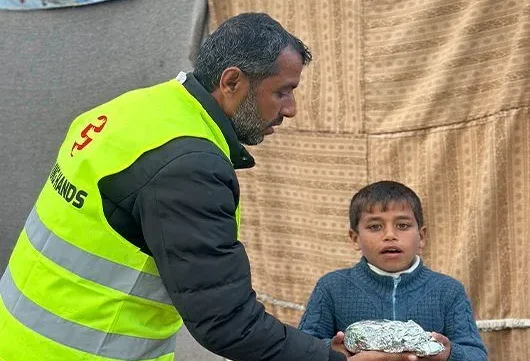
Humanitarian organizations don’t run on headlines. They run on baseline funding that covers field staff, logistics, and program continuity. When donors commit to daily sadaqah donations, they give field teams something rare: financial predictability. According to the World Bank, aid programs with stable funding streams show measurably better outcomes than those reliant on emergency appeals. The communities we serve don’t live in emergencies all year. They live through slow rebuilding, gradual recovery, and seasonal hardship. That long, quiet stretch between crises is where consistent donor support matters most. The teams doing this work show up week after week. They need their donors to do the same.
What Islamic Scholars Say About Giving Every Day
Classical scholars were clear on this. Imam al-Nawawi, in his commentary on Sahih Muslim, emphasized that the most beloved deeds to Allah are those done consistently, even if small. Ibn Qayyim al-Jawziyyah wrote that a heart attached to regular giving stays soft and aware of the needs of others. This wasn’t just spiritual advice. It was a social model. A community where many people give small amounts daily is more resilient than one where a few give large amounts occasionally. Daily sadaqah donations build that resilience. They turn personal habit into communal strength.
What Daily Sadaqah Donations Mean for You
Daily sadaqah donations are one of the most effective tools a Muslim has. They’re small. They’re repeated. And they compound over time in ways a single large gift never can. The Prophet Muhammad (ﷺ) said the most beloved deeds to Allah are those done consistently, even if small (Sahih al-Bukhari). Field teams serving Bangladeshi, Palestinian, and Somali communities depend on that consistency. Irregular funding forces programs to pause. Consistent daily giving keeps them moving. Whatever amount fits your life, the habit matters more than the size.
Behind every quiet recovery is a long line of people who chose to stay involved. Families rebuilding after displacement don’t need one dramatic act. They need someone who shows up, week after week, in the background. Giving Hands reflects that commitment. The work across the communities we serve continues because people made a small, steady choice and kept making it. See how this work continues at givinghands.ca.