

Orphan sponsorship Islam is a structured act of worship where a Muslim commits to covering an orphan’s basic needs, including food, clothing, and education, on a sustained basis. Unlike a one-time gift, it’s an ongoing relationship with deep spiritual weight. UNICEF estimates over 140 million children worldwide currently live without one or both parents. This practice applies to every Muslim with the means to help. The Quran and Sunnah treat it as one of the clearest signs of true faith.
Why Orphan Sponsorship Matters Right Now
Across the Muslim world, the number of children living without a parent continues to grow. Conflict, disease, and poverty leave families broken and children exposed. According to UNICEF, millions of these children lack access to basic schooling or reliable meals. The Quran directly links care for orphans to righteousness. Surah Al-Baqarah (2:177) names feeding the orphan among the marks of a truly righteous person. And the Prophet Muhammad (peace be upon him) made it personal. He said the one who sponsors an orphan will be as close to him as two fingers held together in paradise (Sahih al-Bukhari, 5304). Canadian Muslims looking to act on this teaching can explore our orphan sponsorship program as one practical path forward. The urgency isn’t seasonal. It’s constant.
Key Facts About Orphan Sponsorship in Islam
Islam’s definition of an orphan differs from what many assume. In Islamic law, a child becomes an orphan at the loss of the father, since the father holds the primary duty of financial support. Scholars like Imam al-Nawawi noted this distinction clearly in classical fiqh. The Arabic word “yateem” appears in the Quran 23 times, showing how central this concern is to the faith. Sponsorship doesn’t require adoption. It can mean covering school fees, meals, or medical care. Palestinian, Bangladeshi, Somali, and Rohingya children are among those most in need of this kind of sustained support today. The commitment can start at amounts as low as $30 USD per month, making it one of the most accessible forms of ongoing sadaqah available to Muslims of modest means.
Does Orphan Sponsorship in Islam Require Formal Adoption?
Orphan sponsorship in Islam does not require adoption. This is one of the most misunderstood points in the whole conversation. Islam permits kafala, a form of legal guardianship, but it does not allow a child to take the sponsor’s family name or lose their lineage. The Quran is clear that children must keep their birth names and family ties (Surah al-Ahzab, 33:5). Sponsorship sits outside that legal structure. It simply means providing for a child’s needs consistently. Food, school fees, medical care, and clothing all count. The bond is moral, not legal.
Who Are the Orphans Most in Need of Sponsorship Today?
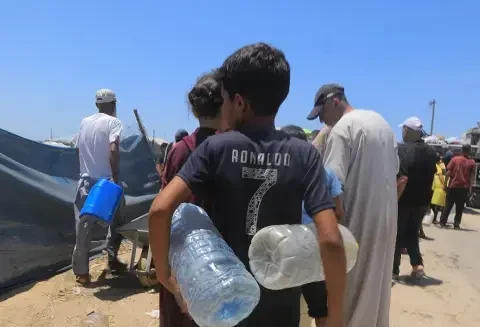
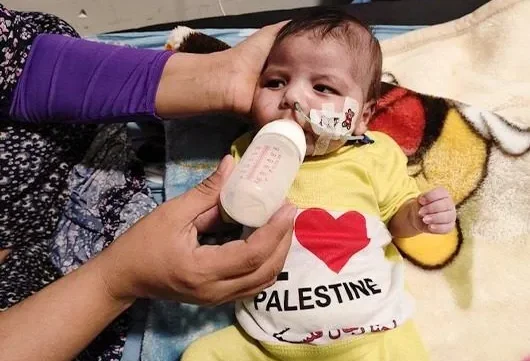
UNICEF estimates over 140 million children globally have lost at least one parent. The need is heaviest in conflict zones and regions with high rates of poverty and disease. Somali children in displaced communities face some of the harshest conditions. Rohingya children in Cox’s Bazar camps often lack any access to formal schooling. Palestinian children in besieged areas have lost fathers, homes, and routines in rapid succession. Bangladeshi children in flood-prone regions face a quieter, slower kind of loss. No cameras. No headlines. Just a family trying to hold together without the person who held it all up.
What Age Group Needs Support Most?
Children between five and fourteen are in the most critical window. This is when schooling shapes the rest of a child’s life. Without support, most orphans in low-income settings drop out before secondary school. According to UNESCO, children who lose a parent are significantly more likely to leave school early and enter child labour. Sponsoring a child through this window is one of the highest-return investments in a child’s future. It keeps the door to education open at the exact moment it would otherwise close.
What Happens Without Sponsorship?
Children without sustained support face a clear pattern. Many enter informal labour before age ten. Some end up in institutional care with little personal attention. The long-term effects are documented: lower literacy, poorer health outcomes, and reduced earning capacity in adulthood. But this is not just a development statistic. For Muslims, it is a direct call. The Prophet Muhammad (peace be upon him) was himself an orphan. His experience is woven into the Quran and the prophetic tradition. The ummah has always understood that caring for orphans is not optional charity. It is a core obligation.
Common Mistakes Muslims Make With Orphan Sponsorship
Many Muslims sponsor a child once and then stop. Life gets busy. The direct debit cancels. The child loses continuity. This inconsistency is the single biggest problem in orphan care programs globally. A child who loses a sponsor mid-year often falls further behind than one who never had support at all. Attachment and routine matter to children’s development. Scholars like Sheikh Ibn Uthaymeen stressed that kafil al-yateem, the one who sponsors an orphan, carries a duty of consistency. Starting is noble. Staying is what changes a life.
How Orphan Sponsorship Connects to the Broader Ummah

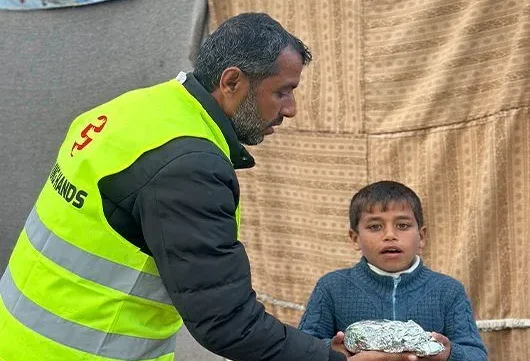
Orphan care in Islam is not a niche act of charity. It sits alongside salah and zakat as a defining mark of a believing community. The Quran pairs care for orphans with care for the poor in many verses, treating both as tests of real faith. Surah al-Ma’un (107:1-3) asks directly: Who denies the faith? The one who pushes away the orphan. This pairing is not accidental. Real change for orphaned children doesn’t come from single large gestures. It comes from steady, quiet commitment. Season after season. That kind of support is exactly what communities across the regions where Giving Hands works depend on to rebuild.
What Orphan Sponsorship in Islam Means for You Today
Orphan sponsorship in Islam is one of the most direct ways to act on faith. UNICEF estimates over 140 million children worldwide have lost one or both parents. Many live without stable food, schooling, or care. The Prophet Muhammad (ﷺ) placed the kafil al-yateem among the closest to him in Paradise. That promise remains as relevant now as it did 1,400 years ago. Long-term, consistent support, not one-time giving, is what changes a child’s life. Understanding that is the first step toward meaningful action.
Why Consistency Matters More Than Amount
A child sponsored for three years gains more than one sponsored for three months at a higher amount. Stability shapes development. Scholars like Imam al-Nawawi wrote about fulfilling duties of care fully, not partially. The amount matters far less than the regularity. Even modest monthly support, as low as $30 in many regions, can cover food, schooling, and basic health needs for a full month.
How Canadian Muslims Can Act on This
Canadian Muslims hold a strong position to help. Canada’s CRA recognizes charitable giving, meaning a sponsorship through a registered Canadian charity can come with a charitable tax receipt. That makes ongoing support both spiritually rewarding and practically accessible. The communities Giving Hands serves, from Bangladeshi villages to Rohingya families in Cox’s Bazar, depend on that kind of sustained commitment. Choosing to stay involved, year after year, is where real change begins.
Behind every child who stays in school is someone who chose not to stop. The work of orphan care doesn’t make headlines. It happens quietly, month after month, in the lives of families rebuilding after loss. At Giving Hands, that quiet, steady work is what we’re built around. It continues because people choose to stay involved long after the first impulse passes. See how this work continues at givinghands.ca/our-work.