

To Give Sadaqah jariyah is a continuous charity. It keeps earning reward for the giver even after death. The Prophet Muhammad (peace be upon him) named it as one of only three deeds that survive a person’s passing, alongside righteous children and beneficial knowledge (Sahih Muslim, 1631). It applies to every Muslim, at any income level. And its effects can last for generations.
Why Giving Sadaqah Jariyah Matters Right Now
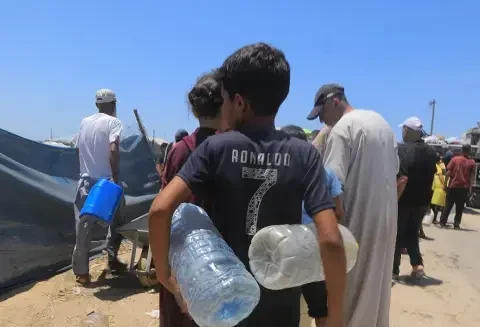
More than 700 million people still lack access to clean water, according to the United Nations. Across Palestinian, Bangladeshi, and Somali communities, families face the same shortages year after year. A single water source, a school, or a shelter can serve hundreds of people over decades. That’s the power of sadaqah jariyah. It doesn’t stop when you stop. It works while you sleep, and it works after you’re gone. At Giving Hands, our sadaqah jariyah programs channel this principle into real, lasting infrastructure for communities that need it most. Each project is chosen for its long-term impact, not just its immediate relief.
Sadaqah Jariyah by the Numbers
The Quran names spending in the way of Allah more than 80 times, but the concept of ongoing reward is rooted in prophetic teaching. Scholars like Imam al-Nawawi explained that sadaqah jariyah is not limited to grand gestures. A shared water well, a planted tree, a hand-copied text once counted. Today, the principle scales. UNICEF estimates that one borehole well can serve a community of 300 people for up to 20 years. That means a single act of jariyah can produce thousands of moments of relief. Most Muslims don’t realise how accessible this kind of giving actually is.
What Forms Can Sadaqah Jariyah Take?
Sadaqah jariyah isn’t one fixed act. Scholars across centuries have listed many valid forms. The Prophet Muhammad (ﷺ) named three in a single hadith: ongoing charity, beneficial knowledge, and a righteous child who prays for their parent (Sahih Muslim, Book 13, Hadith 1631). Each one keeps giving after the person is gone. Today, these principles map onto real-world programs. A funded water source is ongoing charity. A built school is beneficial knowledge. Both count.
Water and Sanitation Projects
Clean water is one of the most cited forms of sadaqah jariyah. According to WHO, about 2 billion people still lack safe drinking water at home. A single well or water point can serve hundreds of families for years. It needs no maintenance from the donor after it’s built. The reward keeps flowing with every drink, every meal prepared, every child who grows up without waterborne illness. That’s not metaphor. It’s the practical reality of long-term infrastructure giving.
Education and Knowledge
A school, a library, or a funded teacher creates a chain of benefit that’s hard to measure. One student learns. That student teaches others. Knowledge spreads far past the original act. Ibn al-Qayyim wrote that spreading beneficial knowledge is among the highest forms of sadaqah. It doesn’t require a large sum. Funding books, covering school fees, or supporting a learning center all qualify. The communities Giving Hands serves include families where children have no consistent access to education. Small, sustained support changes that over years, not weeks.
Common Misconceptions About Sadaqah Jariyah
Many Muslims assume sadaqah jariyah requires wealth. It doesn’t. The Prophet (ﷺ) said even removing a harmful object from the road is sadaqah (Sahih al-Bukhari, Book 56, Hadith 783). Scale matters less than continuity and intention. A second common misconception is that the reward only counts for the wealthy who fund large projects. But a person who contributes a small amount to a shared well earns the same ongoing reward proportional to their giving. Imam al-Nawawi confirmed this in his commentary on Sahih Muslim. Access to jariyah is open to everyone.
Does Niyyah (Intention) Affect the Reward?
Yes. Intention shapes the nature of the act. If a person builds a well for show, the worldly benefit remains but the spiritual reward does not. Scholars agree that niyyah must be for the sake of Allah alone. This applies to every act of sadaqah jariyah, regardless of size. A gift made with sincerity from a modest amount outweighs a large gift made for recognition. So before giving, the intention matters as much as the act itself.

Who Benefits Most from Sadaqah Jariyah Projects?
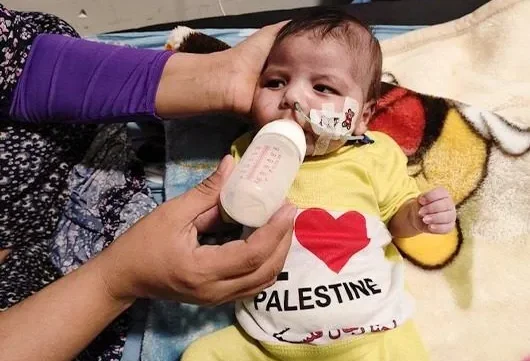
The communities that gain most from sadaqah jariyah are those with weak or absent public infrastructure. Bangladeshi villages prone to flooding. Somali families in displaced communities without clean water. Palestinian families cut off from basic services for years. UNICEF data shows that children in the lowest-income countries are 10 times more likely to die from water-related illness than children in high-income countries. These aren’t abstract numbers. They’re children who survive or don’t based on whether a water point exists in their village. Real change here is rarely sudden. It comes from small, consistent support over many seasons.
How Sadaqah Jariyah Connects to the Broader Ummah
Sadaqah jariyah is not just personal worship. It’s a communal tool. When one person gives, a whole community benefits. The ummah has practiced collective giving for centuries, from the waqf (endowment) system of early Islamic civilization to modern charitable programs. The waqf model built hospitals, schools, and wells across the Muslim world for generations. That same spirit drives long-term charitable work today. Giving Hands draws on this tradition, building infrastructure that serves people long after the initial act of giving. The connection between donor and beneficiary stretches across time.
What Sadaqah Jariyah Means for You Today
Sadaqah jariyah is one of the few acts in Islamic practice that keeps earning reward after death. The Prophet Muhammad (peace be upon him) named it as one of three deeds that never stop. That matters for every Muslim thinking about how to spend their wealth well. UNICEF estimates that over 700 million people still lack clean water access worldwide. Behind that number are real families, real children, real need. Long-term giving, tied to lasting infrastructure, is how the ummah has always answered that call. Giving Hands connects that intention to sustained, on-the-ground work.
Does Intention Change the Value of Sadaqah Jariyah?
Yes. In Islamic scholarship, intention (niyyah) shapes the spiritual weight of every act. Imam al-Nawawi wrote that deeds are judged by their intentions. Giving Hands encourages donors to renew their niyyah before each act of giving. A donor who gives a water project for the sake of Allah, with the intention that it benefit the ummah, earns continuous reward. The physical act and the internal intention work together. Neither replaces the other.
Can Sadaqah Jariyah Be Given on Behalf of Someone Who Has Passed?
It can. Scholars across madhabs agree that giving on behalf of a deceased Muslim is valid and reaches them. Ibn Baz confirmed this in fatawa on charitable deeds for the deceased. Many families choose a well, a Quran endowment, or an orphan sponsorship as a living memorial. The reward flows to the deceased, and the family earns reward for facilitating it. It becomes a gift that spans both this life and the next.
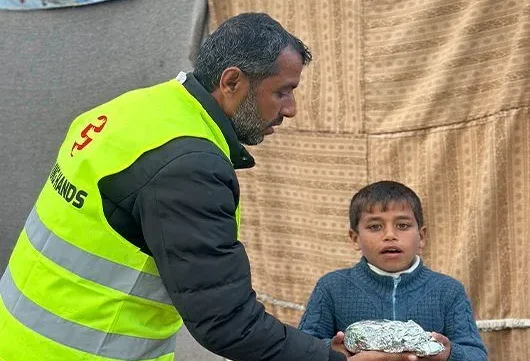
Behind every lasting change is a long line of people who stayed involved after the headlines moved away. At Giving Hands, that quiet, continued work is the whole point. The ummah has always known that real change takes time, and real giving requires patience. Sadaqah jariyah is that patience made physical. It is water that flows for decades. It is a child who learns. It is a family that eats. See how this work continues at Giving Hands.