

In Canada, as we prepare for Ramadan, our concerns usually revolve around the length of the fast, the cost of groceries at Loblaws, or which community Iftar to attend. We look forward to the comfort of our homes, the warmth of a hot shower, and the abundance of food on our tables. But for one […]
In Canada, as we prepare for Ramadan, our concerns usually revolve around the length of the fast, the cost of groceries at Loblaws, or which community Iftar to attend. We look forward to the comfort of our homes, the warmth of a hot shower, and the abundance of food on our tables.
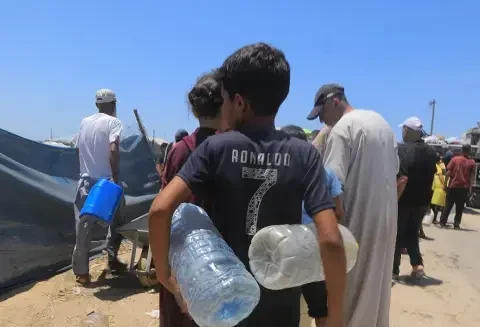
But for one 67-year-old grandmother—a “Hajja” who should be enjoying the quiet dignity of her sunset years—Ramadan has become a desperate struggle for survival. Standing outside her tent, she doesn’t ask for much. She just wants you to see the reality of her “kitchen.”
Scavenging for a Cup of Tea
“I have nothing to show you but bread and a bit of za’atar,” she says, her voice trembling with a mix of exhaustion and residual pride. In her world, there are no gas cylinders or stoves. To boil water for a simple cup of tea for her son at Suhoor, they have to scavenge.
“We collect paper from the streets, old cardboard boxes… we light them just to make a fire. We can’t even afford wood anymore.”
At 67, her body is failing her. She speaks of sharp pains in her shoulders and hands, a lack of sleep because there is no comfortable place to lay her head, and the loss of the basic “cleanliness” of a real bathroom. For someone who spent her life keeping a clean, welcoming home, the indignity of the camp is a weight heavier than the hunger itself.
The Invisible Poor
One of the most heartbreaking parts of her story isn’t the physical lack of food, but the social isolation that comes with poverty.
“When I had money, everyone was around me,” she recalls. “Everyone loved to visit. Now that I have nothing, no one looks for me. No one checks in.”
She remembers the days when she would decorate her salon for Ramadan, carefully folding the ornaments away at the end of the month to use again the following year. This year, her grandson brought home “decorations” he found in the trash—scraps of plastic and nylon from old packaging. They hang in the tent as a haunting reminder of the life they used to lead.
The doctor told her she needed protein—specifically fish—to help with her health issues. I told my son, ‘I can smell the neighbors cooking fish.’ I just wish I could taste it.”
Our Mission: Restoring More Than Just a Meal
At Giving Hands Canada, we believe that no grandmother should have to burn trash to cook her Suhoor. Our mission is to reach those who have fallen through the cracks—the elderly, the displaced, and the “invisible” families who have lost everything to war.
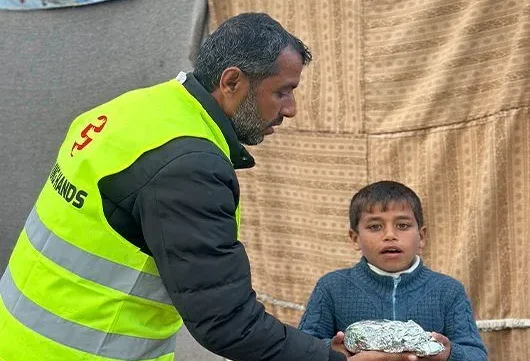
We are on the ground providing comprehensive Ramadan Food Packs that include nutrient-dense staples like lentils, rice, oil, and dates. But more than that, we are providing the dignity of a meal that doesn’t require scavenging. When you support Giving Hands, you aren’t just sending “aid”; you are telling this grandmother that she is seen, that she is loved, and that her community in Canada has not forgotten her.
An Appeal from the Heart of Canada
This Ramadan, as we break our fasts in the safety of our homes, let’s remember the grandmother who is craving the scent of a meal she cannot afford. Your Zakat and Sadaqah can change the narrative for a family living on the ruins of their former lives.
Let’s ensure that her grandson doesn’t have to search the streets for plastic scraps to find a reason to smile. Help us bring real food, real medicine, and real hope to those who need it most.
Frequently Asked Questions (FAQ)
How does Giving Hands Canada ensure my donation reaches the elderly?
We prioritize “vulnerable” households, which includes female-headed homes and families with elderly members or those with chronic illnesses. Our field teams conduct door-to-door (or tent-to-tent) assessments to ensure that those who are too frail to stand in aid lines are the first to receive support.
Can I specify my donation for “Nutrition/Protein” needs?
Yes. While our standard food packs cover essential staples, our Ramadan Appeal also includes options for meat and fresh food distributions, specifically designed to help families who haven’t had access to protein in months.
Is my donation tax-deductible in Canada?
Absolutely. Giving Hands Canada is a registered non-profit. You will receive an official tax receipt for your donation, which can be used to claim your charitable tax credit during the Canadian tax season.
How much of my Zakat goes directly to the field?
We maintain a 100% Zakat policy on our Ramadan distributions. This means every dollar of your Zakat is used directly for the purchase and delivery of food and medical supplies for eligible recipients like the grandmother in this story.