

In Canada, as the moon for Ramadan sighted, our homes transform. There is the scent of fresh dates, the planning of community Iftars at the local masjid, and the warmth of families gathering around a table heavy with food. We worry about the length of the fast or which appetizers to prepare. But for a […]
In Canada, as the moon for Ramadan sighted, our homes transform. There is the scent of fresh dates, the planning of community Iftars at the local masjid, and the warmth of families gathering around a table heavy with food. We worry about the length of the fast or which appetizers to prepare.
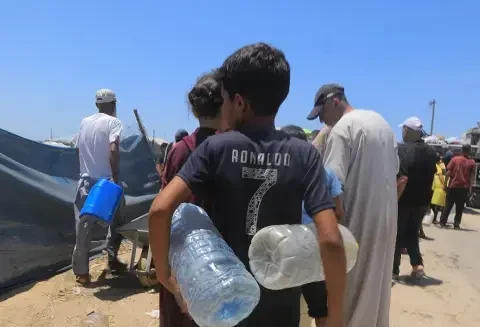
But for a mother of five living in a crowded school shelter, the arrival of the holy month brings a terrifying question: How will my children survive the day?
For this mother, a divorced woman carrying the weight of five souls on her shoulders, this is the third year of displacement. But she says this year feels different. It feels impossible.
The Cupboard is Bare
“We’ve been in this suffering for three years,” she says, her voice a mix of exhaustion and quiet desperation. “But this year is the hardest. There are needs, there are obligations, but there is absolutely no way to meet them.”
It isn’t just about the lack of “Ramadan treats” or decorations. It is about the fundamental dignity of a mother being able to provide for her children. She tells a story that would break any parent’s heart.
She describes her eldest son—a tall, grown young man. He recently walked to the cupboard, hoping to find something to stave off his hunger. He looked inside, saw the bare shelves, and whispered, “Oh God, there is no food.” Then, he simply walked out.
“I started to wipe away my tears,” she admits. “I am his mother, and I can’t feed him. How is he supposed to fast? What will he have for Iftar? What will he have for Suhoor?”
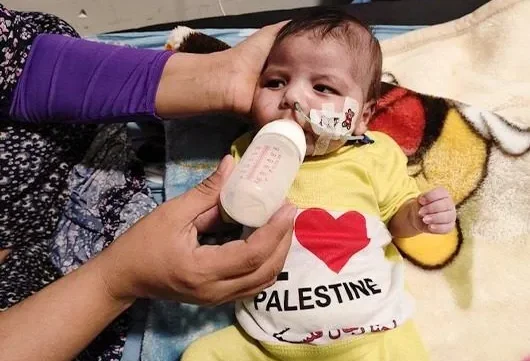
When even the basics are gone, Ramadan stops being a month of celebration and becomes a month of survival.
The Missing Aid
Perhaps the most frustrating part of her journey is the feeling of being forgotten. Like many of us, she scrolls through her phone. She sees the videos of food trucks and aid parcels being distributed by various organizations.
“We see the charities on our phones,” she explains. “We see so many parcels coming in. But we haven’t seen anything. Where does it go? No one in this school has received anything.”
For her, Ramadan in a shelter is a noisy, restless, and hungry experience. There is no peace, no “Ramadan spirit”—just the reality that tomorrow will be exactly as difficult as today.
Our Mission: Direct Impact, No One Left Behind
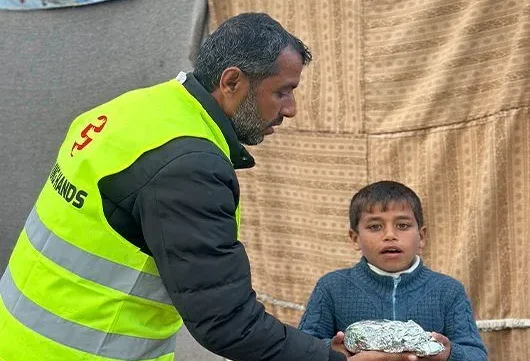
At Giving Hands Canada, we believe that transparency is the backbone of humanitarian work. We don’t just want to post videos; we want to ensure that mothers like the one in this story are the ones actually receiving the aid.
Our mission this Ramadan is to bridge the gap between your generosity in Canada and the empty cupboards in these shelters. We are delivering Ramadan Food Packs designed to provide a family of five with nutritious meals—Suhoor and Iftar—for the entire month. We focus on high-protein, high-energy staples that can sustain a growing young man and his younger siblings.

Will You Help Her Set the Table?
This Ramadan, as you sit down to break your fast in the safety and comfort of your home, please remember the mother who had to watch her son walk away from an empty cupboard.
Your Zakat and Sadaqah are the difference between a child fasting on an empty stomach and a family breaking their fast with dignity. Let’s show her that her community in Canada sees her, hears her, and will not let her children go hungry.
Frequently Asked Questions (FAQ)
How does Giving Hands Canada ensure aid reaches those who say they haven’t received any?
We specialize in “last-mile” delivery. Our teams specifically target informal shelters and schools that are often overlooked by larger, more bureaucratic agencies. We conduct direct door-to-door (or tent-to-tent) distributions to ensure the most vulnerable families, like female-headed households, are prioritized.
Is my donation tax-deductible?
Yes. As a registered Canadian non-profit, Giving Hands Canada provides official tax receipts for all eligible donations. These receipts are sent out annually, helping you maximize your impact while benefiting from charitable tax credits.
Can I pay my Zakat through this appeal?
Absolutely. We have a 100% Zakat policy for our Ramadan food distributions. Your Zakat is kept in a separate fund and used exclusively to provide food and essentials to those who meet the Islamic criteria for eligibility (Asnaf).
What is included in a Ramadan Food Pack?
Our packs are culturally appropriate and nutritionally balanced. They typically include staples like flour, rice, lentils, oil, dates, sugar, and tea—enough to provide two solid meals a day for a family for the full 30 days of Ramadan.