

What Is Sadaqah in Islam?
Sadaqah is voluntary charity in Islam — given freely, at any time, for the sake of Allah. It’s separate from Zakat, which is obligatory. A kind word, a shared meal, or a dollar given quietly — all count as sadaqah. It’s one of Islam’s most accessible acts of worship.
Why Sadaqah Matters More Than Most People Think
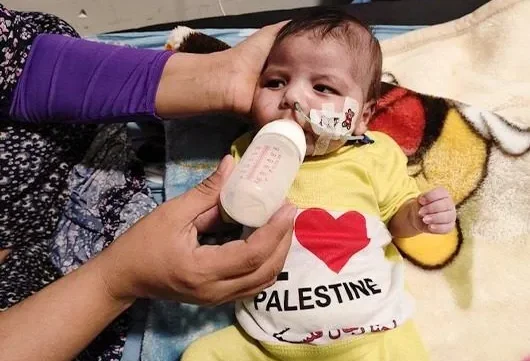
The Prophet Muhammad ﷺ said sadaqah extinguishes sin the way water puts out fire — recorded in Tirmidhi, Hadith 2616. And the impact isn’t just spiritual. UNICEF estimates that over 333 million children live in extreme poverty today. Sadaqah, at scale, moves real resources to real people.
Sadaqah by the Numbers: What the Evidence Shows
A single act of sadaqah can ripple far. The World Bank reports that $2.15 USD a day is the global extreme poverty line — meaning small, consistent gifts shift lives. Sadaqah jariyah — ongoing charity — compounds that effect long after the giver is gone.
What Are the Real Benefits of Giving Sadaqah in Islam?

Sadaqah protects, purifies, and provides. The Prophet Muhammad ﷺ taught that it shields the giver from harm, wipes away sin, and eases hardship for others — all at once. Few acts carry that much weight.
Does Sadaqah Protect You From Calamity?
It does. The Prophet Muhammad ﷺ said: “Give sadaqah without delay, for it stands in the way of calamity.” This is recorded in Tirmidhi. Scholars like Ibn Uthaymeen explained this as both physical and spiritual protection — not superstition, but trust in Allah’s promise.
Does Sadaqah Increase Your Wealth?
Yes — and the evidence is direct. The Prophet Muhammad ﷺ said charity does not decrease wealth, recorded in Sahih Muslim, Hadith 2588. This isn’t a metaphor. Barakah — blessing in what you have — is a real and recognized concept in Islamic theology.
Does It Help After Death?
Sadaqah jariyah continues earning rewards after you die. An-Nawawi listed ongoing charity as one of three acts whose reward never stops. A well dug, a school built, knowledge shared — these keep on giving.
What Types of Sadaqah Count in Islam?
Sadaqah isn’t only money. The Prophet Muhammad ﷺ said: “Every act of goodness is sadaqah” — recorded in Sahih Muslim, Hadith 1005. The scope is wide. So the benefits are wide too.
Sadaqah Maaliyyah — Financial Charity
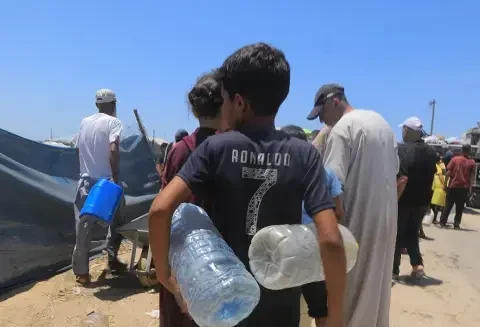
This is the most recognized form. It includes cash, food, clothing, and livestock. The World Food Programme reports 733 million people go hungry daily. A $30 gift can feed a family for a month in many affected regions.
Sadaqah Jariyah — Ongoing Charity
This is charity with a lasting structure — a water well, an orphan school, a Quran library. The reward doesn’t stop when you die. It flows as long as people benefit.
Sadaqah Bid-Du’aa — Charity Through Prayer
Making du’aa for another Muslim is sadaqah. So is visiting the sick, removing harm from a path, or sharing a smile. These cost nothing. But they count.
Common Misconceptions About Sadaqah
Many Muslims think sadaqah only counts if it’s large. That’s wrong. The Prophet Muhammad ﷺ said: “Do not belittle any good deed, even meeting your brother with a cheerful face” — recorded in Sahih Muslim, Hadith 2626. Small acts, done with sincerity, carry full weight.
“I Have to Be Rich to Give Sadaqah”
You don’t. Even half a date given in charity was praised by the Prophet ﷺ in Sahih al-Bukhari, Hadith 1413. Sadaqah scales with what you have — not what you lack.
“My Sadaqah Won’t Make a Difference”
It will. UNICEF data shows that $1 invested in nutrition programs returns up to $16 in economic benefit. Small, repeated gifts compound. They don’t cancel each other out — they stack.
“Sadaqah and Zakat Are the Same Thing”
They’re not. Zakat is a fixed obligation — 2.5% of eligible wealth, once a year, for specific recipients. Sadaqah is voluntary, unlimited, and open to any good cause. One is a pillar. The other is a door that’s always open.
Who Benefits Most From Sadaqah — and Where?
The people most changed by sadaqah
What the Benefits of Giving Sadaqah in Islam Mean for You
The research is clear. Sadaqah protects your wealth, expands your impact, and anchors your character. UNICEF shows that $1 in aid can return up to $16 in long-term benefit. That math starts with one person choosing to act.
Start Small. Stay Consistent.
Consistency beats size. The Prophet ﷺ loved deeds done often — even small ones. A weekly habit of sadaqah builds more than a single large gift ever could.
You Don’t Need a Program to Begin
Anyone can start now. A kind word. A few dollars. Time spent helping a neighbor. The door is open — and it doesn’t ask how much you have.
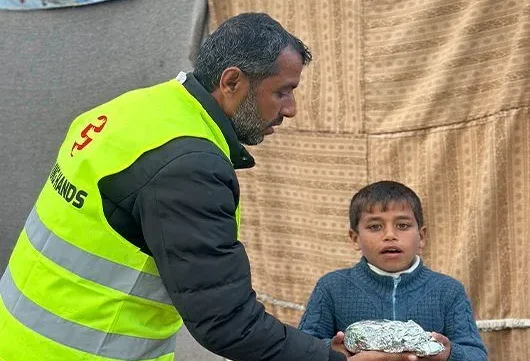
Behind every well dug and every child fed is a long line of people who stayed involved after the moment passed. At Giving Hands Canada, that’s the only kind of work we do — quiet, consistent, and built to last. See how this work continues →.