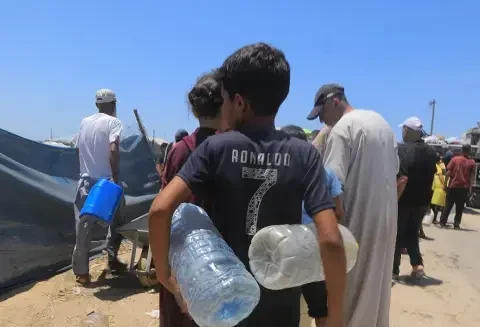
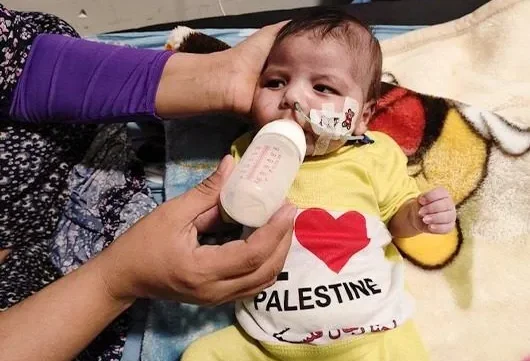
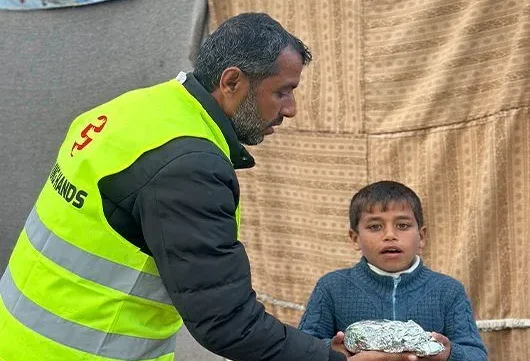


Yes, zakat can be given to orphans. But orphan status alone doesn’t qualify a child. The child must also be poor. Islamic scholars agree on this: zakat goes to those in financial need, and an orphan who has wealth or a provider doesn’t qualify. Most orphans in the world today are poor, so in practice, most qualify. Need is the deciding factor, not loss of a parent.
Why This Question Matters Right Now
Over 140 million children worldwide live without one or both parents, according to UNICEF. Many of them live in deep poverty, with no reliable income and no adult to provide for them. Muslim donors often feel a pull toward helping orphans, but they’re unsure if zakat applies or if sadaqah is the right channel instead. This confusion costs orphans real support. The answer matters because it shapes how donors direct billions in annual zakat funds. You can see how Giving Hands Canada approaches this through our orphan sponsorship program. Need drives eligibility, and for most orphans, that need is clear.
Who Counts as a Qualifying Orphan for Zakat
Scholars across the major madhabs, including the Hanafi, Maliki, Shafi’i, and Hanbali schools, agree that a poor orphan falls under the “fuqara” (the poor) or “masakeen” (the needy) categories in Surah At-Tawbah (9:60). A child with a wealthy guardian or a trust fund doesn’t qualify, even if they lost a parent. But a child with no income and no provider clearly does. According to World Bank data, about 356 million children globally live in extreme poverty. Most orphans sit inside that number. That’s why the question isn’t really about orphan status. It’s about financial condition.
Does the Orphan’s Guardian Wealth Affect Zakat Eligibility?
A guardian’s wealth doesn’t transfer to the orphan. Scholars across all four madhabs are clear on this. What matters is whether the child has personal assets above the nisab threshold. If a guardian is rich but hasn’t formally transferred wealth to the child, the orphan may still qualify. According to UNICEF, most orphaned children in low-income countries have no personal assets at all. No savings. No land. No inheritance. The child’s own financial condition is the only test. A caring guardian and an eligible orphan can exist in the same household.
What If the Orphan Has Inherited Property?
An orphan who inherited land, savings, or livestock above the nisab value does not qualify for zakat. The standard nisab is roughly 85 grams of gold or 595 grams of silver. In USD terms, that’s around $8,000 to $10,000 in assets, depending on the current rate. AAOIFI standards track this. Most orphans in conflict zones or rural Bangladesh have no such inheritance. Our team in Kurigram District in March 2025 met a girl named Fatima. She was nine years old. Her father had died the previous year. She had no assets, no guardian income, and no school enrollment. Her need was plain.
What About Orphans in Kafala Arrangements?
Kafala is an Islamic guardianship model. It doesn’t create a legal inheritance link. So an orphan under kafala doesn’t automatically share the kafil’s (guardian’s) wealth. The child’s own financial state still governs eligibility. If the kafil provides full financial support and the child lacks for nothing, zakat likely doesn’t apply. But if the kafil is poor or the support is partial, the orphan can still qualify. Muslim jurists like Ibn Qudamah addressed this logic in Al-Mughni. Need, not guardianship structure, is what drives the ruling.
Common Mistakes Donors Make When Giving Zakat to Orphans
Many donors give zakat to orphan programs without checking whether the funds go to eligible children. That’s a real problem. Zakat isn’t a general charity pool. It must reach people who qualify. An orphan sponsorship program that also serves children with wealthy relatives could mix eligible and non-eligible recipients. Donors should ask whether a program screens for financial need. According to Islamic Relief’s published methodology, financial eligibility screening is a core part of proper zakat disbursement. That same standard applies whether you’re supporting a child in Pakistan, Sudan, or Bangladesh.
The Misunderstanding About “Orphan” in Western Charity Contexts
Western charity law uses “orphan” to mean a child with no living parents. Islamic fiqh uses it to mean a child who lost their father before puberty, and who lacks a provider. These aren’t the same. A child with a living mother who earns a good income may not qualify for zakat. But a child with both parents alive yet abandoned and destitute could fall under the “masakeen” category instead. Donors who assume the word “orphan” automatically signals eligibility may be wrong. The financial condition always takes priority over the label.
Which Regions Have the Highest Concentration of Zakat-Eligible Orphans?
Sub-Saharan Africa and South Asia hold the largest numbers of orphaned children living in poverty. UNICEF data puts the global orphan count at about 140 million children, many of whom lost a father to conflict, disease, or disaster. Countries like Yemen, Somalia, Bangladesh, Afghanistan, and Syria have especially high rates. In Yemen, the UN Office for the Coordination of Humanitarian Affairs(OCHA) reports that the ongoing conflict has cut off millions of children from any adult income source. These children often meet both the Islamic definition of orphan and the financial threshold for zakat eligibility.
Real change in these regions rarely comes from a single act. It comes from consistent support, year after year, from people who never see the child’s face. That quiet continuity is what turns a crisis into a story of recovery.

What Zakat Givers Need to Know Before Supporting Orphans
Zakat can go to orphans, but only when they are poor. The child’s financial need is the deciding factor, not their orphan status alone. UNICEF estimates about 140 million orphaned children worldwide. Most lost their fathers, which matters under Islamic law, since fatherlessness defines the Islamic orphan. Many of these children also lack income and basic needs. That overlap, orphan plus poverty, is where zakat fits. Knowing this helps donors give with confidence and care. The work of people like those at Giving Hands Canada stays rooted in that same clarity.
Does a Child Need to Be Both Fatherless and Poor?
Yes. Under classical Islamic scholarship, a child qualifies as an orphan by losing their father before adulthood. But zakat eligibility requires poverty on top of that. A fatherless child with a working mother and stable income may not qualify. A fatherless child with no income, no shelter, and no adult support almost certainly does. Scholars like Ibn Uthaymeen taught that zakat categories require genuine need, not just a label.
What Happens When an Orphan Comes of Age?
Zakat eligibility based on the “orphan” framing ends at puberty under most scholarly opinion. After that, the young person must qualify under another category, most often the poor (fuqara) or those in need (masakeen). The shift matters for donors who run recurring orphan sponsorship programs. Giving Hands Canada and similar organizations structure their programs to remain eligible even as children grow.
Behind every zakat-funded meal or school fee is a decision someone made quietly and without fanfare. No headline covered it. No one tracked it except the child who ate that day. At Giving Hands Canada, the team works in regions where fatherless and poor children are not statistics. They are specific kids in specific places. That kind of specific, sustained attention is what the work is built on.