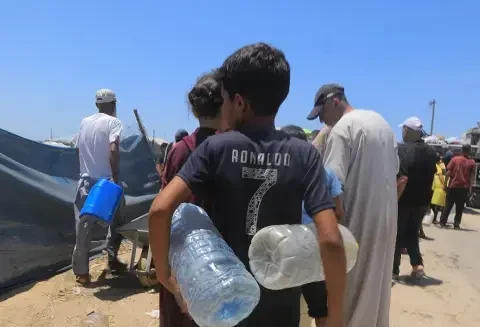
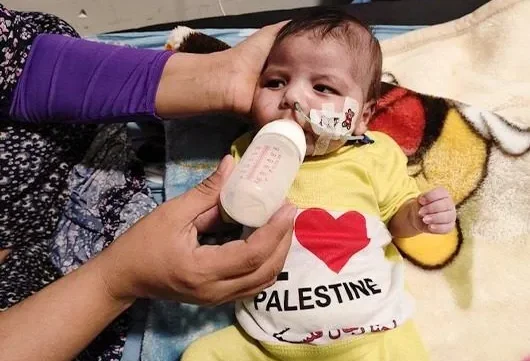
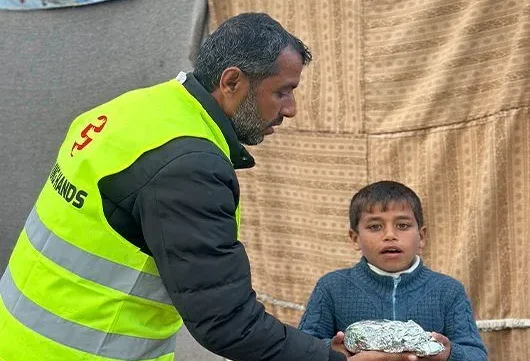


Giving charity in Islam is a beautiful act of worship that changes both the giver and the receiver. It is not just about moving money from one hand to another. Instead, it is a spiritual journey that cleanses your wealth and brings you closer to Allah. Many Muslims feel a deep desire to help others but often wonder about the best ways to do so. In this guide, we explore the rules, benefits, and types of donations that help you earn the most reward. Whether you give a small amount or a large sum, your intention matters most. At Giving Hands Canada, we help you turn your compassion into real action that saves lives every single day.
1. The Real Meaning of Wealth in Islam
In Islam, we do not truly “own” our money. We believe that everything belongs to Allah. He gives us wealth as a trust or a test. When we practice giving charity in Islam, we show that we understand this truth. We use our resources to serve His creation. This mindset removes greed from our hearts. It replaces selfishness with love for our brothers and sisters in faith.
Think of your wealth like a garden. If you keep all the water for yourself, the plants eventually die. If you share the water, the whole garden flourishes. Charity works the same way. It allows the community to grow strong and healthy together.
2. Zakat: The Essential Pillar of Faith
Zakat is the most important form of giving charity in Islam. It is one of the five pillars of our religion. This means it is mandatory for every adult Muslim who has enough wealth. You do not give Zakat as a favor to the poor. You give it because it is their right.
You must pay Zakat if your savings stay above a certain limit for one year. This limit is called the Nisab. Usually, the rate is 2.5% of your total qualifying assets. This small percentage helps balance the economy. It ensures that money flows to those who cannot afford food, shelter, or medicine. When you pay Zakat, you purify the rest of your money.
3. Sadaqah: The Gift of Your Own Will
Sadaqah is different from Zakat because it is voluntary. You can give Sadaqah at any time. There is no minimum amount and no maximum limit. You can give it to anyone in need, regardless of their background.
Giving charity in Islam through Sadaqah is a sign of your “Siddiq” or your truthfulness in faith. It shows that you love Allah more than you love your worldly possessions. The Prophet (PBUH) told us that Sadaqah wipes away sins like water puts out a fire. If you feel a heavy heart or have committed a mistake, give a small amount of Sadaqah to find peace.
4. Why Sadaqah Jariyah is a Smart Investment
Imagine earning rewards while you sleep. Imagine earning rewards even after you leave this world. This is the power of Sadaqah Jariyah, or ongoing charity. This is a special way of giving charity in Islam that focuses on long-term benefits.
When you fund a project that lasts, your reward lasts too. For example:
- Water Wells: When a thirsty person drinks clean water, you get a reward.
- Schools: When a child learns to read or recite the Quran, you get a reward.
- Trees: When someone eats the fruit or sits in the shade, you get a reward.
- Mosques: Every prayer offered in that building adds to your scale of good deeds.
5. The Beautiful Rewards Mentioned in the Quran
Allah makes many promises to those who give. In the Quran, He says that the person who gives charity is like a grain of corn. That one grain grows seven ears, and each ear has a hundred grains. This means Allah multiplies your reward by 700 times or even more.
Giving charity in Islam is never a loss. While your bank account might show a smaller number, your spiritual account grows. Allah also promises to protect the charitable person. On the Day of Judgment, when the sun is low and the heat is intense, your charity will become a shade to keep you cool.
6. How Charity Protects You from Calamity
Many of us face trials like illness or family problems. The Prophet (PBUH) encouraged us to treat our sick by giving charity. Many Muslims have experienced miracles after making a donation during a hard time.
Charity acts as a shield. It wards off “Bala” or misfortunes. If you are going through a difficult season in life, try giving charity in Islam as a way to ask Allah for help. It opens doors that were previously closed. It softens the heart and brings Barakah (blessings) into your home.
7. The Rules of Sincerity (Ikhlas)
The most important part of giving charity in Islam is your intention. You must give only for the sake of Allah. If you give money just to hear people praise you, the reward disappears. This is known as Riya or showing off.
To protect your reward, try these tips:
- Give in secret: Try to give so that your left hand does not know what your right hand is doing.
- Be humble: Never make the recipient feel small or ashamed.
- Don’t brag: Once you give, forget about the act. Do not remind the person of your favor later.
- Choose the best: Give away things you still like, not just your trash or old clothes.
8. Giving to Relatives First
Sometimes we look far away to help people, but we forget those closest to us. Islam teaches a specific order for charity. Your family has the first right to your help.
If you have a brother, sister, or cousin who is struggling, give to them first. Giving charity in Islam to a relative earns you a double reward. You get the reward for the charity and the reward for strengthening family ties. It keeps the family unit strong and prevents your loved ones from falling into poverty.

9. Non-Monetary Ways to Give Charity
What if you have no money? Can you still give? Yes! The beauty of Islam is that charity is for everyone. The Prophet (PBUH) said that every good deed is a charity.
You can practice giving charity in Islam by:
- Smiling: A simple smile at your neighbor is an act of charity.
- Advice: Giving someone good advice to solve a problem is charity.
- Labor: Helping an elderly person carry their groceries is charity.
- Knowledge: Teaching someone a skill or a verse of the Quran is charity.
- Words: Speaking a kind word to someone who is sad is charity.
10. The Special Status of Ramadan Charity
Every Muslim knows that Ramadan is the month of giving. The Prophet (PBUH) was the most generous of men, but he became even more generous during this month. Rewards are multiplied greatly during these thirty days.
Many people use this time to pay their Zakat. Others focus on feeding those who are fasting (Iftar). While giving charity in Islam is important all year, doing it in Ramadan allows you to take advantage of the special mercy of Allah. It ensures that the poor can celebrate Eid with joy and full stomachs.
11. Impacting the World with Giving Hands Canada
At Giving Hands Canada, we make it easy for you to fulfill your religious duties. We know that you want your money to reach the right people. Our team works hard to identify the most desperate situations across the globe.
When you give through our platform, you support the following:
- Emergency Relief: We provide food and water during wars and natural disasters.
- Orphan Support: We help children who have lost their parents find safety and education.
- Health Care: We fund clinics in areas where people have no doctors.
- Sustainability: We build wells and farms so people can help themselves.
12. Using Charity to Erase Your Sins
We all make mistakes. We are human, and we fall into sin. However, Allah is the Most Merciful. He gave us a way to wash away our errors. Along with seeking forgiveness (Istighfar), giving charity in Islam is a powerful way to clear your record. It proves that you are sorry and that you want to do better. Use your charity as a tool for self-improvement and spiritual growth.
13. The Psychological Benefits of Generosity
Modern science now proves what Islam taught 1,400 years ago. Giving makes you happier. When you give, your brain releases chemicals that make you feel calm and satisfied. It reduces stress and anxiety.
By giving charity in Islam, you stop focusing on your own problems. You see the struggles of others and realize how many blessings you actually have. This creates a heart full of gratitude (Shukr). A grateful heart is a happy heart.
14. How to Calculate Your Zakat Easily
Many people feel confused about zakat maths. It does not have to be hard. You should look at your
- Cash in bank and at home.
- Value of gold and silver.
- Money owed to you (that you expect to receive).
- Business stocks or shares.
Subtract any immediate debts you owe. If the final number is above the Nisab (the value of 87.48 grams of gold or 612.36 grams of silver), you pay 2.5%. Using a modern charity platform like Giving Hands Canada can help you find Zakat calculators to make this process simple.
The Final Thought: Your Legacy
What will you leave behind when you die? Your car will go to someone else. Your house will have new owners. But your charity will stay with you. Giving charity in Islam is the only way to send your wealth ahead of you to the next life.
Start today. It does not matter if you only have one dollar to spare. That one dollar, given with a pure heart, could be the reason you enter Paradise. Join us at Giving Hands Canada and let us help you build a legacy of kindness that never ends.