

Ramadan ends quickly. Soon, we will celebrate Eid al-Fitr with our families. But before you go to the Eid prayer, you must complete one final Islamic duty. You must pay your Fitrana. If you ask, “how much is zakat ul fitr per person,” you will find the exact answer right here. This Ramadan 2026 guide explains everything clearly. We cover the exact cash amount, who needs to pay it, and where the money goes. You want to purify your fast. You also want to feed the poor. Read this complete guide to finish your Ramadan charity correctly and bring joy to needy families.
What Does Zakat ul Fitr Mean?
Zakat ul Fitr means “the charity of breaking the fast.” Many people also call it Fitrana or Sadaqah al-Fitr. Muslims pay this mandatory charity at the end of Ramadan.
You pay this specific charity just before Eid al-Fitr arrives. It marks the successful completion of your month-long fast. Unlike your regular yearly wealth tax, this charity focuses only on the end of Ramadan. Every Muslim must give this charity. It serves as a beautiful way to thank Allah for giving us the strength to fast. When you pay it, you show gratitude for the blessings of Ramadan.
Why Must We Pay This Ramadan Charity?
Islam gives us two clear reasons for this mandatory charity. Both reasons help the individual and the community.
First, it purifies your fast. Nobody is perfect. During Ramadan, we might say idle words, get angry, or make minor mistakes. This charity acts as a spiritual cleanser. It washes away those small errors. It makes your fasting record clean and complete before Allah.
Second, it builds social equality. Eid is a day of massive celebration. Islam wants every single Muslim to celebrate. The poor should not beg or feel sad on Eid day. This charity buys food for needy families. It ensures everyone in the community eats a good meal and shares the joy of the holiday.
How Much Is Zakat ul Fitr Per Person Exactly?
Every year, Muslim families ask the same vital question. How much is zakat ul fitr per person today? The exact amount changes slightly depending on the country you live in and the current price of food.
In Canada, Islamic scholars and trusted charities generally set the Fitrana amount between $10 to $15 CAD per person. For 2026, most Canadian organizations agree that $15 CAD is a safe and generous amount. This money buys enough high-quality staple food to feed a person in need.
You do not base this amount on your income. You base it on the cost of basic food items in your local market. Whether you are rich or poor, you pay this exact same flat rate.
How Did The Prophet Measure Fitrana?
To understand the modern cash amount, we look back at history. Prophet Muhammad (peace be upon him) created the first rule for this charity. He told Muslims to give one “Saa” of staple food.
What is a Saa? A Saa is an old Arabic measurement. It equals four double-handfuls of food. If we weigh this today, it equals about 2.5 to 3 kilograms of food. During the Prophet’s time, people gave dates, barley, raisins, or wheat. These foods helped families survive.
Today, people around the world eat different staple foods. A modern Saa might mean 3 kilograms of rice, flour, corn, or lentils. The $15 CAD amount simply buys 3 kilograms of these important foods for the poor.
Why Do We Give Cash Instead of Food Today?
In the past, people handed bags of grain directly to their neighbors. Today, we live in busy, modern cities. Giving raw wheat or a bag of flour to someone in a Canadian city does not always help them.
Because of this, many great Islamic scholars allow Muslims to pay the cash value of the food. Giving cash helps everyone. It saves you time. It also gives the poor family more choices. They can buy exactly what their children need for Eid.
Charities take your cash and buy food in bulk. They use your money to buy large amounts of rice or flour in poor countries. This system feeds more people efficiently.
Who Must Pay This Eid Charity?
Fitrana carries a unique rule. Almost every living Muslim must pay it. Your age does not matter. Your wealth does not matter, as long as you have enough food for one day and night.
Usually, the head of the family pays the total amount. If you lead the family, you pay for yourself and everyone who depends on you. You must pay for:
- Yourself
- Your husband or wife
- Your young children
- Your older children who still rely on your money
- Your elderly parents if you provide for them
If you live alone and earn your own money, you pay for yourself. If everyone in a house earns their own money, they can each pay their own share.
Do Babies and Children Need to Pay?
Yes, children must pay Fitrana. Obviously, babies do not have money. Babies also do not fast during Ramadan. However, the rule still applies to them.
The head of the family must pay the charity for every child in the house. If your baby is born before the sun sets on the last day of Ramadan, you must pay for that baby. The only exception is an unborn baby still in the mother’s womb. Islam does not force you to pay for an unborn child. Still, many scholars say you earn extra rewards if you choose to pay for the unborn baby anyway.
How to Calculate the Total for Your Family
Math makes people nervous, but this calculation is very simple. You just take the local dollar amount and multiply it by the number of people in your home. Let us look at a few examples so you understand completely.
Example 1: The Single Professional
You live alone. You support yourself. You ask, how much is zakat ul fitr per person? The answer is $15. You pay $15 total.
Example 2: The Standard Family
You have a wife and two young children. Your family has four people total.
You multiply 4 people by $15 CAD.
Your total payment is $60 CAD.
Example 3: The Large Family
You live with your wife, three children, and your two elderly parents who do not work. Your family has seven people total.
You multiply 7 people by $15 CAD.
Your total payment is $105 CAD.
You count every breathing person in the house. You multiply that number by the flat rate. That becomes your final mandatory donation.
When Is the Exact Deadline to Pay?
Time matters greatly for this charity. You cannot pay it whenever you want. You have a strict deadline. You must pay your Fitrana before the Eid al-Fitr communal prayer begins.
Most people pray the Eid prayer early in the morning on the first day of Shawwal. Therefore, your money must reach the poor before that morning.
We highly recommend paying early. Do not wait until the last night of Ramadan. Pay your charity a few days or even a week before Eid. Giving Hands needs time to collect the money, buy the physical food, and deliver it to poor villages. When you pay early, you help the charity do a better job.
What Happens If You Miss the Deadline?
Sometimes people forget. Sometimes life gets busy. If you miss the Eid prayer deadline, you still owe the money. The obligation does not disappear.
You must pay the amount as soon as you remember. However, the status of your charity changes. If you pay late without a good excuse, Islam records it as regular charity (Sadaqah). It no longer counts as Zakat ul Fitr. You lose the special spiritual rewards of Fitrana. You also fail to help the poor family enjoy their Eid day.
Set a reminder on your phone. Write a note on your fridge. Do whatever you need to do so you pay on time.
Who Gets the Fitrana Money?
Islam strictly controls who receives this specific money. You cannot build a mosque with Fitrana. You cannot build a hospital with Fitrana.
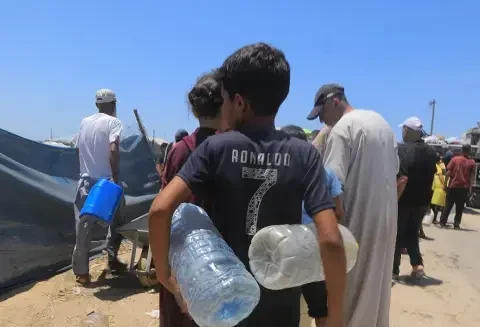
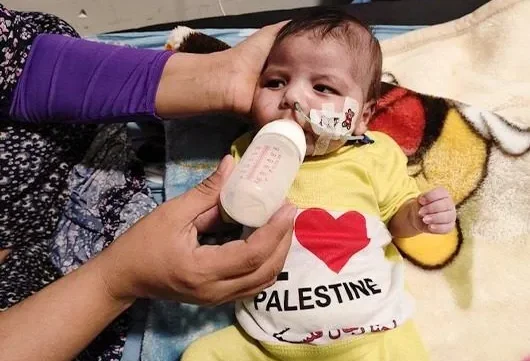
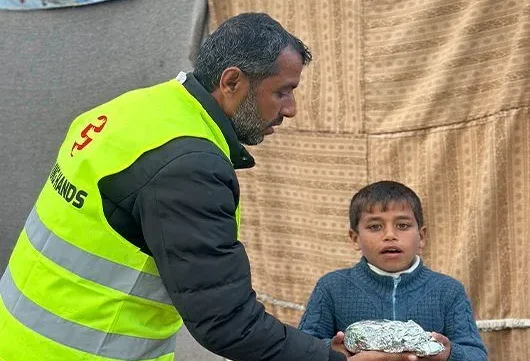
This money goes only to the poor and the needy. Islamic law calls them Al-Fuqara and Al-Masakin. The main goal is rapid hunger relief. We want to stop starvation on Eid day. Charities take your money, buy high-quality food packages, and hand them directly to poor families, widows, orphans, and refugees. Your donation literally puts a meal on their table.
How Zakat al-Fitr Differs From Zakat al-Mal
People often confuse the two types of Zakat. Let us clear up the confusion right now.
Zakat al-Fitr (Fitrana): This is the small, flat-rate payment you make at the end of Ramadan. Every person pays it. It purifies your fast. It buys immediate food for Eid.
Zakat al-Mal (Wealth Tax): This is your big annual wealth tax. You only pay this if you have a certain amount of saved money (called Nisab). You pay 2.5% of your savings, gold, and business profits. You pay it once a year.
Paying your Fitrana does not cancel your Zakat al-Mal. If you have wealth, you must pay both. They are two separate duties.
Why Send Your Charity Through Giving Hands?
When you give your money away, you need a charity you can trust completely. Giving Hands takes your religious duty seriously.
We work hard to make sure your money reaches the right people at the right time. Our team finds the most vulnerable families in struggling regions. We buy local food to support their economy. We distribute the food packages with respect and care.
When you donate through Giving Hands, you get peace of mind. We handle all the difficult logistics. You just click a button, pay your due, and focus on your final Ramadan prayers.
Final Thoughts on Completing Your Ramadan Duty
Ramadan changes our hearts. It makes us better people. As we finish our fasting and look forward to Eid, we must remember our brothers and sisters who have nothing.
Paying your Fitrana completes your Ramadan journey. It cleans your spirit and feeds a hungry family. Do not delay. Count your family members today. Calculate your total amount. Make your payment online right now. Enjoy your Eid knowing you helped someone else enjoy theirs.