

Sponsoring an orphan in Palestine means committing to a child’s basic needs – food, clothing, shelter, and education – through regular monthly support. It’s different from a one-time gift. The child gets a named sponsor, and the support is consistent. Right now, UNICEF estimates over 1 million Palestinian children are in need of aid. This kind of long-term care is what keeps kids in school instead of on the street.
Why Sponsoring an Orphan in Palestine Matters Right Now
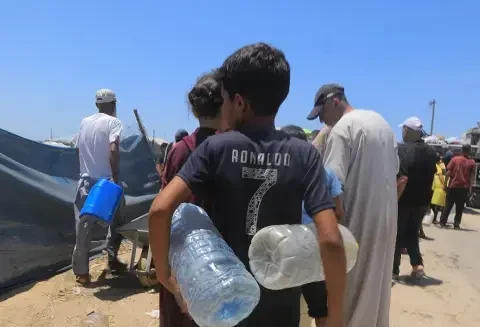
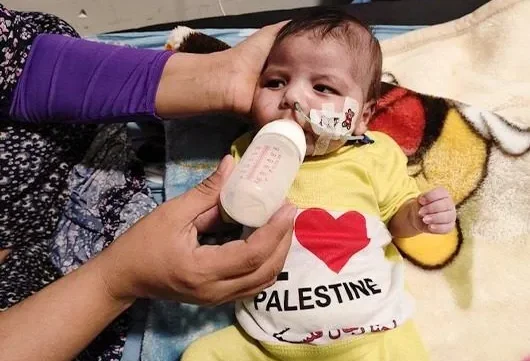
Gaza has seen more child casualties per day than almost any conflict in recorded history. According to UNICEF, Palestinian children face acute malnutrition, disrupted schooling, and severe psychological trauma. Many lost both parents. Others lost their fathers and now live with widowed mothers who can’t work safely. Orphan sponsorship fills that gap directly. It’s not aid going into a general fund — it’s a fixed amount tied to one child’s wellbeing. Canadian Muslim donors choosing this route can see exactly where their support lands.
Sponsoring an Orphan in Palestine: What Most People Don’t Know
Most people think sponsoring an orphan means the child is fully parentless. But Islamic scholars — including Ibn Uthaymeen and An-Nawawi — define a *yateem* (orphan) as any child who lost their father before puberty, regardless of whether the mother is alive. This matters in Palestine. The majority of orphaned children there still have mothers. They’re not in institutions. They’re in damaged homes, in tents, or with extended family — and they need steady support, not rescue. An average sponsorship costs around $30–$50 USD per month, depending on the program and region of Gaza.
How Does Orphan Sponsorship in Palestine Actually Work?
Sponsorship connects one donor to one child through a vetted local partner on the ground. The organization confirms the child’s status — fatherless, under puberty, living with a caregiver — then sets a monthly amount, usually $30–$50. That money covers food, clothing, school fees, and basic medical care. Payments move monthly, not as a lump sum. This steady rhythm matters. A child eating regularly this month but not next month doesn’t heal. The structure holds the support accountable. Save the Children documents how direct child-linked sponsorship models outperform general fund aid in long-term outcome tracking.
Who Verifies the Child’s Situation?

Local partner organizations in Gaza verify each case before enrollment. They check documentation — death records, birth certificates, family registry — then photograph the home and interview the caregiver. Most reputable Canadian programs re-verify annually. This step protects against fraud and ensures the child still needs the support. It also catches cases where circumstances changed — a mother remarried, or an uncle took the family in. Verification isn’t a formality. It’s what separates a real sponsorship program from a general appeal.
What Does the Monthly Amount Cover?
At $30–$40 per month, a sponsorship typically funds school supplies, one nutritious meal per day, seasonal clothing, and access to a health clinic visit. Some programs add psychosocial support — group sessions for children processing grief and fear. At $50 per month, programs often include tutoring and caregiver support for the mother. These aren’t luxuries in Gaza. They are the floor below which a child’s development stops.
Who Are Palestine’s Orphans? The Real Numbers
The numbers are hard to confirm amid ongoing conflict — but UNICEF estimates tens of thousands of children in Gaza have lost one or both parents since 2023. Most are under 12. Many lost fathers in airstrikes; others lost both parents. A large share now live with grandmothers or aunts in damaged or overcrowded housing. Boys and girls are affected at similar rates, but older girls face added risk — forced early marriage as families struggle. The youngest children, under five, are most vulnerable to malnutrition and lasting developmental harm from chronic stress.
What Our Team Saw in May 2025
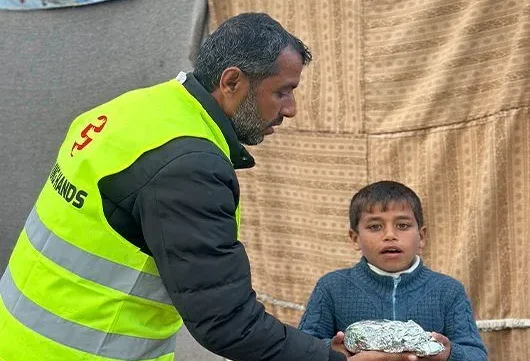
Our team visited families in Rafah in May 2025. We met Kareem, nine years old, living with his grandmother and two sisters. His father died in late 2023. His mother passed months later from untreated illness. His grandmother, in her sixties, can’t work. Before sponsorship enrollment, the family ate one meal a day. Kareem had missed six months of school. Within three months of consistent support, he was back in a makeshift classroom. His grandmother told our team the fixed monthly help changed something harder to measure — the feeling that someone outside Gaza still cared. The teams doing this work don’t make headlines. They show up, week after week. See how the work continues →
Why Sustained Monthly Support Beats One-Time Aid
One-time donations respond to crises. Monthly sponsorship responds to children. A single large gift can feed a family for a week or two — then it’s gone. But a child needs food next month, and the month after that. They need school fees paid at enrollment time, not whenever a news cycle spikes. OCHA has documented how irregular funding cycles in Gaza force aid organizations to pause services, then restart — each pause causing measurable harm to children’s development. Consistent, small commitments let local partners plan. They can hire staff. They can keep a child in school across a full academic year, not just one term.
What Sponsoring a Palestinian Orphan Actually Changes
Orphan sponsorship in Palestine isn’t symbolic. UNICEF estimates over 17,000 children in Gaza have lost one or both parents since October 2023. Each one faces the same gap — no adult income, no school fees, no safety net. Monthly sponsorship closes that gap in a way one-time aid can’t. It funds school enrollment, basic food, and something harder to quantify: the knowledge that someone outside the conflict chose them. Organizations like Giving Hands Canada work through local partners to keep that support reaching children — month after month, not just when the news cycle demands it.
Why Monthly Giving Works Better Than a One-Time Gift
A one-time gift helps fast. A monthly commitment helps long. UNICEF data shows children in prolonged conflict zones need at least 12 months of consistent support to recover lost schooling. One payment can’t buy that. A fixed monthly amount — even $30 — lets local coordinators plan. They can keep a child enrolled across a full school year, not just one term.
What Happens When Sponsorship Stops
Gaps in funding cause real harm. OCHA has documented how service interruptions in Gaza push children out of school and reduce food access within days. A child mid-way through school enrollment loses their place when sponsorship breaks. Sustained involvement — not occasional generosity — is what keeps a child’s trajectory moving forward. That’s why monthly orphan sponsorship in Palestine matters more than its dollar amount suggests.
Every child in Gaza still waiting for consistent help has a name, a family member still alive, and a local team trying to reach them. The headlines will move. The need won’t. At Giving Hands Canada, our team stays connected to that need through trusted local partners — quietly, week after week. The work doesn’t stop when the attention does.